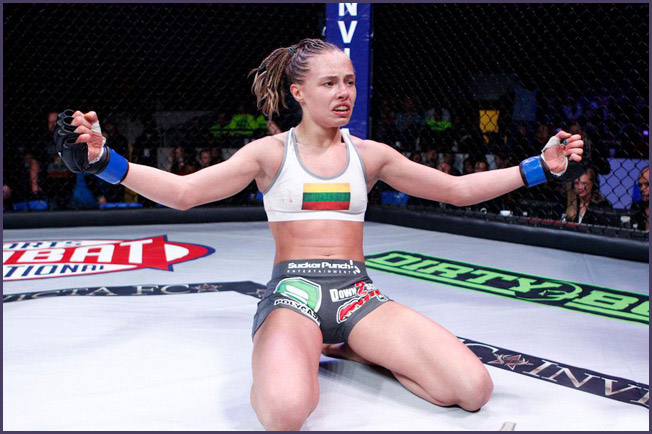
A lot of discrimination is faced by women athletes because of their appearance. There are ways to reverse this. You can start to take control of how you look at yourself. You can also use social media to challenge gender stereotypes. You can also advocate for gender equality. These tips can help you become an active participant in the sport community.
Regaining control of your body image
Female athletes are attempting to regain control over their body images. These athletes have shared their experiences about how being perfect affects their performance as well as their mental health. Gracie Gold (Olympic figure skater) and Allie Ostrander (professional runner) are two examples of athletes who have opened up about their negative body image. These athletes want everyone to understand that having a body which does not meet a certain standard is not an indication of weakness.
Female athletes can still feel dissatisfied with their bodies despite being under tremendous pressure to do so. Body dissatisfaction refers to negative thoughts about a person’s body and the perceived difference between their ideal body size and theirs. Context and function can also influence how we perceive our bodies. A recent study showed that female collegiate athlete participated in "Bodies in Motion," a program which helps to develop positive body images.
Female athletes: Changing the stereotypes
One of the most important things that a female athlete can do is break down gendered stereotypes. Many women and girls are discouraged by the stereotypes they see. These stereotypes need to be broken. It starts by teaching girls to respect and appreciate each other. It all starts with changing our attitudes about women. Changes in our language and actions can make female athletes more appealing to the public.
The majority of research on female athlete has been focused on the bipolarity in masculinity and feminineity. Very little has been done to examine androgyny. Androgyny refers to a compromise between masculinity/feminity. This suggests that a female runner can be both male/female simultaneously. This gender identity can be assertive or gentle, independent or dependent, competitive but passive, and even aggressive. A woman may have both masculine and feminine characteristics, which can be helpful for the individual.
Participation in social media
Social media can be used to encourage younger women to participate in sports. Social media is one way for female athletes to be inspired by stories about other women who play the sport. Last night's game saw the UConn Huskies defeat the Baylor Bears. The entire social media landscape was consumed by the game. Although the final score was 69-67 for the Huskies the controversial call was the talk of the night.
Participating in social networks can be a great way to encourage young girls to take up sports and improve your health. Many female athletes use social media to market themselves. There isn't much information on how women athletes portray themselves online.
Managing gender stereotypes
Women are often confronted with gender stereotypes when it comes to sport, which can restrict their participation. Women may decide to focus less on their athletic accomplishments and instead choose to participate in other more popular sports. Or they might even give up their chosen sport entirely. These issues are a reflection of larger cultural attitudes about athletic women. These stereotypes are one of the biggest obstacles to female participation in sport.
First, women sportspeople must face the perception problem. The public often views women as submissive and objectified. In addition, male athletes are often viewed as heroic and masculine while female athletes are seen as wives and daughters. This harmful cycle of gender stereotypes can lead to the sexualization of and objectification of female athletes. This issue was highlighted by the USA Gymnastics scandal.